

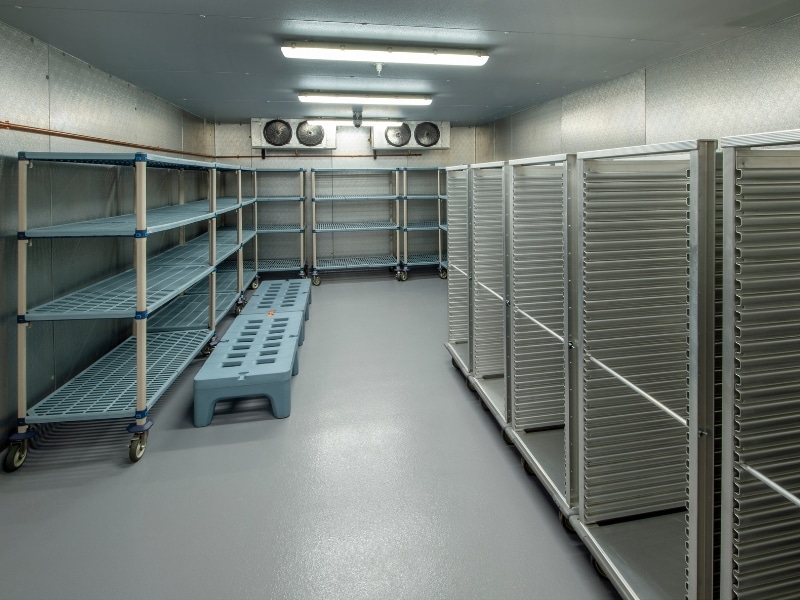
In a busy commercial kitchen, your walk-in fridge does more than just hum along in the background — it’s central to keeping food fresh, safe, and compliant. When this essential unit breaks down or falters, it doesn’t just inconvenience your operations; it risks public health, profit margins, and compliance standards. That’s why walk in refrigerator repair is more than a fix — it’s a frontline defence for food safety. Food spoilage can happen fast in an unreliable cold room. One minor issue with temperature regulation or airflow can cause perishables to degrade within hours. Worse still, you might not even notice the drop in performance until it’s too late. Regular servicing helps prevent this. Not only does it restore function, but it also protects the longevity of stock and ensures food storage meets Australian safety standards.
What problems indicate the need for urgent walk-in refrigerator repair?
Sure signs scream trouble, and if ignored, they can quickly lead to food contamination. Temperature inconsistencies, loud noises, ice buildup, and foul smells shouldn’t be brushed off. These symptoms usually indicate failing parts or compromised seals. Some common red flags to watch for:
- Unstable temperatures despite correct settings
- Condensation on food packaging or interior walls
- Excessive motor cycling or unexpected shutdowns
- Unusual noises like grinding or rattling
- Mould or mildew smells
These aren’t just quirks — they’re early indicators of serious malfunction. Issues like excessive frost or sudden spikes in power usage indicate that your fridge is under heavy strain and may soon fail. Addressing these urgent signs for walk-in refrigerator repair early can prevent spoilage and potential health risks.
How often should businesses schedule walk-in refrigerator repair for preventive care?
Prevention’s worth a pound of cure, and nowhere is that truer than in commercial refrigeration. Even a minor calibration done early can save you thousands in spoilage or part replacement. So, how often should maintenance happen?
- High-use facilities: every 3–6 months
- Moderate use: every 6–9 months
- Seasonal businesses: before and after high periods
Establishing a regular repair schedule prevents minor problems from escalating into major issues. Technicians can spot signs of compressor strain, refrigerant loss, or fan issues well before total failure. That’s especially important for venues with temperature-sensitive stock or 24/7 operations.
Scheduling around seasonal demand spikes helps you avoid breakdowns at the worst times. It’s not only cost-effective — it’s a proactive way to ensure uninterrupted service. Understanding the factors that affect commercial fridge repair costs can also help businesses plan preventive care budgets more wisely.
How does walk-in refrigerator repair help extend equipment lifespan?
Investing in repairs doesn’t just fix current issues — it adds years to your system’s life. Commercial fridges take a beating in fast-paced kitchens. Without timely upkeep, small wear and tear builds into system-wide damage. Here’s how repairs protect your asset:
- Reduces compressor overwork and overheating
- Prevents condenser coil blockages
- Improves airflow and temperature consistency
- Replaces worn door seals to keep internal temps stable
- Cuts down on energy waste and motor fatigue
Many business owners hold off on calling a tech until something breaks — but by then, the damage is often widespread. Regular servicing is what separates reliable refrigerator repair solutions for businesses from last-minute patch jobs.
Can walk-in refrigerator repair reduce costly downtime in kitchens?
Downtime is more than lost hours — it’s lost trust, customers, and compliance. When your fridge fails mid-service, your whole operation hits the skids. The hidden costs stack up quickly:
- Discarded stock and rushed replacements
- Kitchen chaos and delayed orders
- Poor customer experiences
- Health regulation breaches
A single outage during service can undo months of great work. Staff stress skyrockets, and quality suffers. That’s why strategic repair schedules — supported by diagnostics and thermal scans — can identify problem areas before they cause shutdowns.
Better still, your team works more confidently when they know the cool room is reliable. Smooth operation reduces mistakes and speeds up prep, especially in peak hours. One overlooked benefit is early detection. Many technicians are trained to recognise early warning signs of cool room repair needs, even during routine callouts.
Why does a walk-in refrigerator repair support business need to comply with compliance standards?

In Australia, food businesses must follow strict cold storage rules to stay licensed. These standards are designed to stop foodborne illnesses, but compliance goes beyond the kitchen. You’re responsible for maintaining safe storage environments at all times. That means:
- Holding stock at the correct temperatures
- Preventing cross-contamination
- Documenting any cold chain breaks
- Ensuring equipment is fit for use
Even minor deviations from standard ranges can trigger inspections or fines. During an audit, proof of professional servicing can help you stay in the clear.
Your fridge may pass inspection today, but what about next week? Ongoing repair support ensures you’re always compliant — not scrambling after the fact. Some businesses use complete refrigeration services recognised in Australia to meet these exact standards. These third-party specialists often have additional qualifications required under local regulations.
How does cool room maintenance improve energy efficiency and reliability?
Running a commercial fridge isn’t cheap. When it’s inefficient, it bleeds energy and drives up costs. You might not notice the change overnight, but over months? The bill’s a shocker. Regular maintenance:
- Keeps internal temperatures stable
- Reduces motor overworking
- Prevents airflow blockages
- Identifies worn seals or doors early
Look at it this way: if your fridge is struggling to keep cool, it’s burning energy. Efficient systems not only cut costs but also last longer and work more reliably under pressure. Here’s a quick comparison:
| Issue | Impact on Energy Use | Repair Fix |
| Dirty coils | An additional 10% energy use | Coil cleaning |
| Damaged door seals | An additional 10% cold air loss | Seal replacement |
| Poor airflow | Uneven cooling, waste | Fan and vent adjustment |
| Ice buildup | Reduced thermal exchange | Defrost and sensor check |
| Incorrect thermostat | Constant cycling | Calibration or replacement |
An inefficient system increases bills and shortens life, while a clean, tuned system supports consistent output — especially in heatwaves.
Key takeaway
Walk-in refrigerator repair does more than just fix breakdowns — it protects your stock, ensures compliance, and maintains your reputation. When your system runs smoothly, your kitchen does too. Regular maintenance reduces stress on staff, saves energy, and keeps health inspectors happy. Business owners who view servicing as essential, not optional, avoid costly surprises and build long-term resilience into their operations. That’s where trusted providers come in. Discover how Ice Man Sydney ensures compliance and reliability with maintenance plans built for Australian businesses.
